
Last updated: October 2026
Animal coloring pages are one of the easiest ways to turn a quiet afternoon into a learning adventure. Kids pick up a crayon, choose an animal, and before long they are asking where it lives, what it eats and how it sleeps. This guide groups our free animal coloring pages for kids by habitat and gives you one fun fact for each animal, so coloring turns into a conversation.
Everything here is free to print for home, classroom and party use. No printer? Color any page on a screen with our free online coloring tool.
Why Animal Coloring Pages for Kids Work So Well
- Fine motor skills: holding a crayon and coloring inside shapes builds the hand control needed for writing.
- New words and facts: every animal is a chance to learn words like habitat, predator, reptile and mammal.
- Pattern and color recognition: stripes, spots and scales help children notice how animals are different.
- Curiosity about nature: talking about where animals live is a gentle way to start conversations about caring for wildlife and their homes.
- Calm, screen-free time: many children find coloring relaxing, and finishing a page feels like a small win.
How to Learn While You Color
- Let your child choose. A page they picked themselves holds their attention longer.
- Ask three questions: Where does this animal live? What does it eat? What makes it different from other animals?
- Use the colors as clues. Ask which colors help the animal hide, stand out or stay warm.
- Add a fact card. After coloring, write one fact on the page, such as "Koalas eat eucalyptus leaves." It makes a great classroom or fridge display. For more facts, look up your animal on the Smithsonian's National Zoo animal pages.
Pets and Farm Animals
From the family cat to the farmyard, these are animals kids already know, so they are a great place to start.
 Cat Coloring Pages
 Dog Coloring Pages
 Rabbit Coloring Pages
 Hamster Coloring Pages
 Guinea Pig Coloring Pages
 Horse Coloring Pages
 Goat Coloring Pages
 Sheep Coloring Pages
 Alpaca Coloring Pages
Fun facts to talk about while you color:
- Cat: Cats sleep for much of the day, often 12 to 16 hours.
- Dog: A dog's sense of smell is many times stronger than ours.
- Rabbit: A rabbit's front teeth never stop growing.
- Hamster: Hamsters store food in their cheek pouches.
- Guinea Pig: Guinea pigs "wheek" to say hello, especially at feeding time.
- Horse: Horses can doze while standing up.
- Goat: Goats have rectangular pupils that give them a wide view.
- Sheep: Sheep have a very wide field of view, which helps them spot danger.
- Alpaca: Alpacas come from the Andes mountains in South America and are raised for their soft fleece.
Big Mammals of the Savanna and Jungle
Giant, striped and spotted animals make bold pages with lots of room for color.
 Lion Coloring Pages
 Tiger Coloring Pages
 Elephant Coloring Pages
 Giraffe Coloring Pages
 Zebra Coloring Pages
 Cheetah Coloring Pages
 Hippo Coloring Pages
 Rhino Coloring Pages
 Warthog Coloring Pages
 Hyena Coloring Pages
 Meerkat Coloring Pages
Fun facts to talk about while you color:
- Lion: Lions live in family groups called prides.
- Tiger: No two tigers have exactly the same stripe pattern.
- Elephant: Elephants use their trunks to drink, smell and pick up food.
- Giraffe: Giraffes are the tallest land animals in the world.
- Zebra: Every zebra has its own stripe pattern, a little like a fingerprint.
- Cheetah: Cheetahs are the fastest land animals over short distances.
- Hippo: Hippos spend much of the day in water to stay cool.
- Rhino: A rhino's horn is made of keratin, the same material as our hair and fingernails.
- Warthog: Warthogs often kneel on their front legs while they dig and eat.
- Hyena: Spotted hyenas live in groups called clans.
- Meerkat: Meerkats take turns standing guard, a job called sentry duty.
Cute and Cuddly Favorites
These gentle animals are popular with young children.
 Panda Coloring Pages
 Koala Coloring Pages
 Capybara Coloring Pages
 Sloth Coloring Pages
 Kangaroo Coloring Pages
Fun facts to talk about while you color:
- Panda: Giant pandas eat mostly bamboo.
- Koala: Koalas eat eucalyptus leaves.
- Capybara: Capybaras are the largest rodents in the world.
- Sloth: Sloths move slowly and spend most of their lives in trees.
- Kangaroo: Baby kangaroos, called joeys, grow in their mother's pouch.
Reptiles and Amphibians
Scales, spots and bright skin make these pages fun for older kids who like detail.
 Alligator Coloring Pages
 Crocodile Coloring Pages
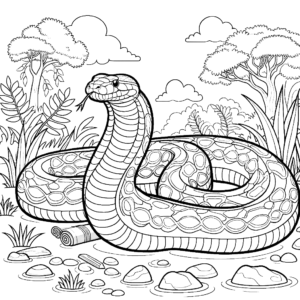 Anaconda Coloring Pages
 King Cobra Coloring Pages
 Komodo Dragon Coloring Pages
 Chameleon Coloring Pages
 Gila Monster Coloring Pages
 Tortoise Coloring Pages
 Red-Eyed Tree Frog Coloring Pages
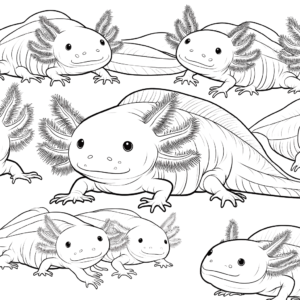 Axolotl Coloring Pages
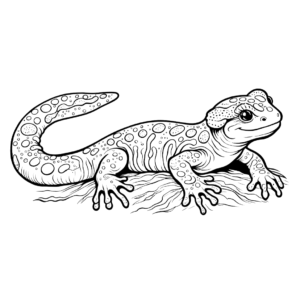 Salamander Coloring Pages
Fun facts to talk about while you color:
- Alligator: Alligators have a broad, rounded snout, while crocodiles have a more pointed one.
- Crocodile: Some crocodiles live in salt water as well as fresh water.
- Anaconda: Green anacondas are among the heaviest snakes in the world.
- King Cobra: The king cobra is the longest venomous snake in the world.
- Komodo Dragon: The Komodo dragon is the largest living lizard.
- Chameleon: Chameleons change color to communicate and to control their temperature, not only to hide.
- Gila Monster: The Gila monster is one of the few venomous lizards.
- Tortoise: Some giant tortoises can live for more than 100 years.
- Red-Eyed Tree Frog: The bright red eyes of this frog can startle animals that might eat it.
- Axolotl: Axolotls can regrow lost limbs.
- Salamander: Many salamanders can breathe partly through their skin.
Rare and Unusual Animals
Strange shapes and surprising facts make these pages great conversation starters.

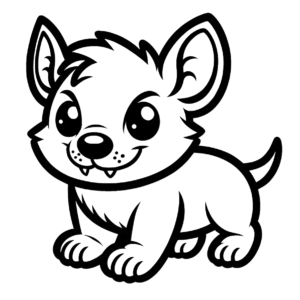


Fun facts to talk about while you color:
- Platypus: The platypus is one of the few mammals that lay eggs.
- Tasmanian Devil: Wild Tasmanian devils live only on the island of Tasmania.
- Armadillo: Armadillos are covered in bony plates that work like armor.
- Okapi: The okapi is related to the giraffe but has zebra-like stripes on its legs.
Which Animal Pages Suit Which Age?
- Ages 3 to 5: pick big, simple shapes such as cats, dogs, elephants and pandas. Chunky crayons are easiest to hold.
- Ages 6 to 8: try animals with patterns, like zebras, giraffes and tigers, and let children choose their own colors.
- Ages 9 and up: detailed pages with scales and fur, such as reptiles and rare animals, suit colored pencils and fine-tip markers.
Frequently Asked Questions
How can I make coloring part of my child's daily learning?
Set aside a regular coloring time and add one small learning step, such as reading a short fact about the animal or listening to a story about it while your child colors.
What are the best tools for coloring animal pages?
Crayons are easy to hold for younger children. Colored pencils give older children more control for fur and scales, and markers give bold, bright color.
What is a good coloring technique for beginners?
Start with lighter colors and build up to darker shades to create depth. Gentle circular strokes help avoid harsh lines.
Are these pages suitable for toddlers?
Yes. Our collections include simple designs for younger children and more detailed pages for older kids and adults.
Does coloring help children learn?
Coloring can support fine motor skills, focus and color recognition, and it works best when you talk about the animal as your child colors.
Where can I download these animal coloring pages?
Every page is free on this site. Open any animal collection, then print the page or save it. You can also color it on a screen with Color Online.
More Guides and Coloring Pages
- All animal coloring pages
- Unicorn coloring pages and our guide to unicorn coloring pages for kids
- Mermaid coloring pages and our guide to mermaid coloring pages for kids
- Christmas coloring pages and Halloween coloring pages for seasonal fun
Ready to explore? Grab your crayons, pick an animal from the groups above, and start coloring. Follow us on Pinterest to see new pages as soon as we add them.
Make Your Own Coloring Page
Turn a photo into a coloring page, or type a name to make a personalized page. Both tools are free and private.
Photo to Coloring PageName Coloring Page MakerColor Online